No. 39 Appeals to Authority and the Crowd ipse dixit
Bare Assertion
In Turkish: Ben Dedim Oldu Safsatası
Because you said so, you say. We heard you say it. Now: why?
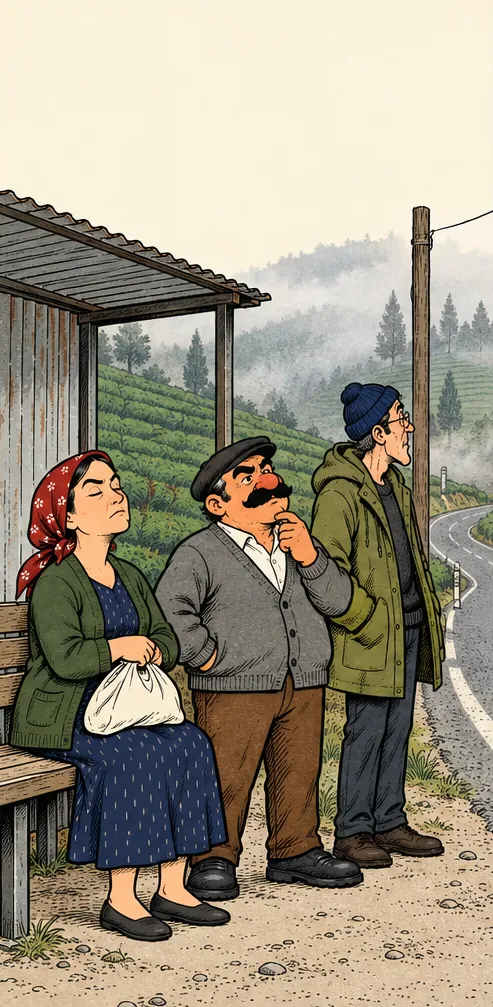
The minibus isn’t coming today. I know.
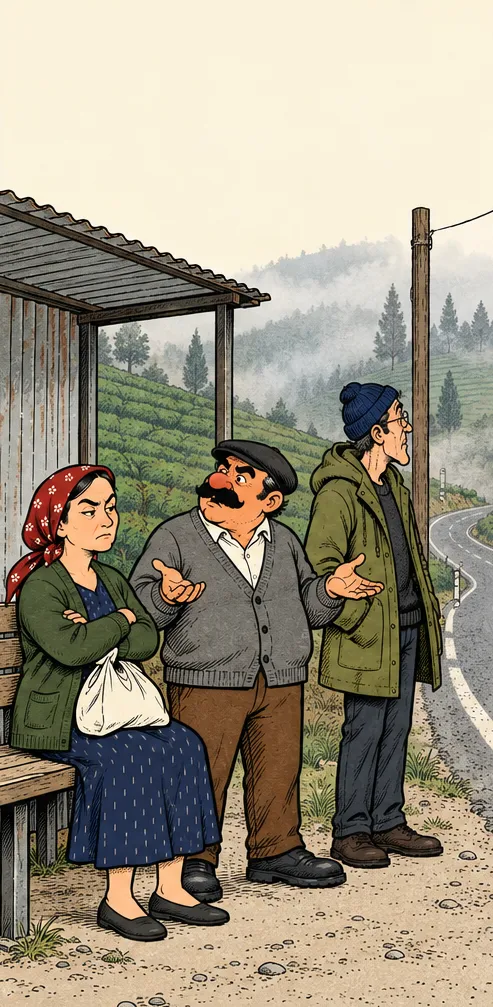
How do you know, Fadime? Is there a strike, is the road closed?
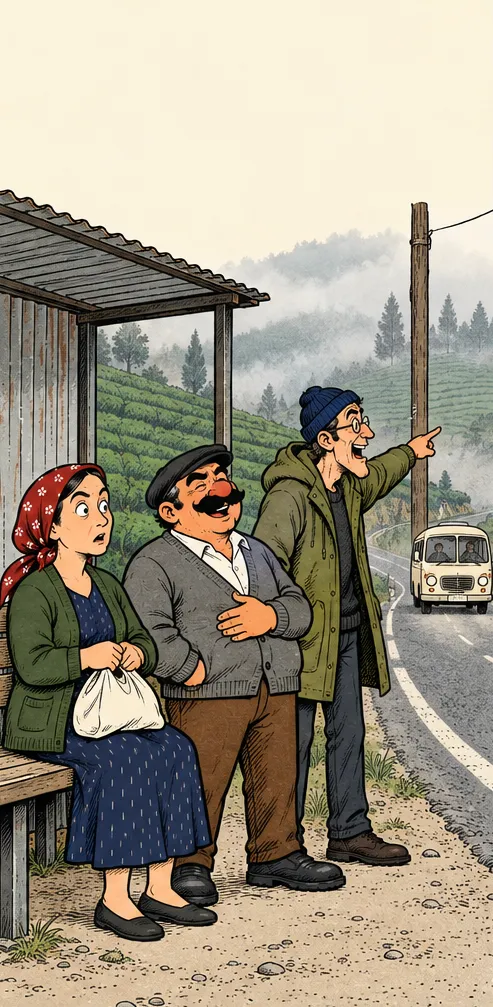
“I said so” isn’t a reason, Fadime. If there were one, you’d have told us; and look, there’s the minibus.
What is it?
Trying to get a claim accepted with no reason at all, on the force of having said it: “that’s just how it is”, “I know”. However confident the voice, if there’s nothing behind it, what you have is an assertion, not an argument.
The pattern
- X is true.
- Why? Because X is true. / Because I say so.
Why it fails
A confident voice sounds like evidence, especially to someone who’s hesitant. This fallacy moves the argument from the plane of evidence to the plane of personality: whoever speaks most firmly wins. Repetition makes it stronger; hear a thing five times and on the sixth it feels like common knowledge. But repetition isn’t a reason, and neither is tone.
How to spot it
- There’s a claim and no “because”; when a “because” does come, it’s the claim again.
- Phrases like “I know”, “that’s just how it is”, “it’s obvious”, “mark my words”.
- Tone and firmness have taken the place of evidence.
What to say
A calm “why?” is enough; a second “why?” usually ends it. If no reason comes, name it: “That’s an assertion, not an argument. Give me the reason and we’ll talk.” When it gets repeated, repeat the same; repetition is allowed to you too.
When it’s not a fallacy
Not every sentence needs a justification; stating what everyone accepts or what can easily be checked isn’t the fallacy. Nor is giving the reason afterwards: the moment “it isn’t coming; the line was cut last week” is said, the assertion becomes an argument. The fallacy is that when the reason is asked for, the answer is the claim itself, or the speaker.
Examples
- WorkManager: “This client will never pay, I know it.” Asked how: “Twenty years in this business.” Twenty years is a duration, not a reason.
- FamilyFather: “That boy isn’t right for you.” Daughter: “Why?” Father: “He just isn’t.”
- Social media“This story is fake, definitely.” Asked where the certainty comes from: “It’s obvious.” Obvious to whom, from what; nobody says.
- Football“This coach will get the team relegated, mark my words.” Marking words is handwriting, not a forecast; there’s still no reason.