No. 08 Questionable Cause non causa pro causa
False Cause
In Turkish: Yanlış Sebep Safsatası
The rooster crowed, the sun rose. The rooster is not the sun’s boss.
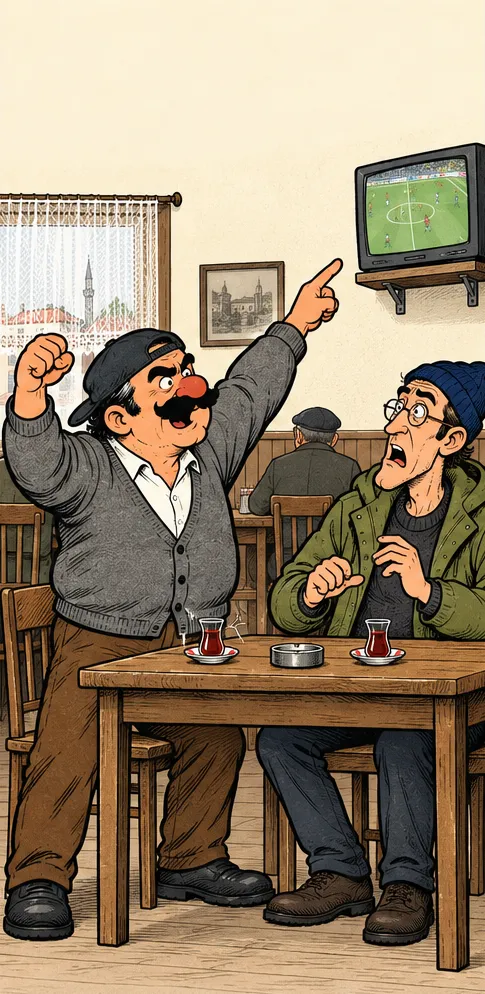
I turned my cap backwards and we scored right away! It’s lucky!
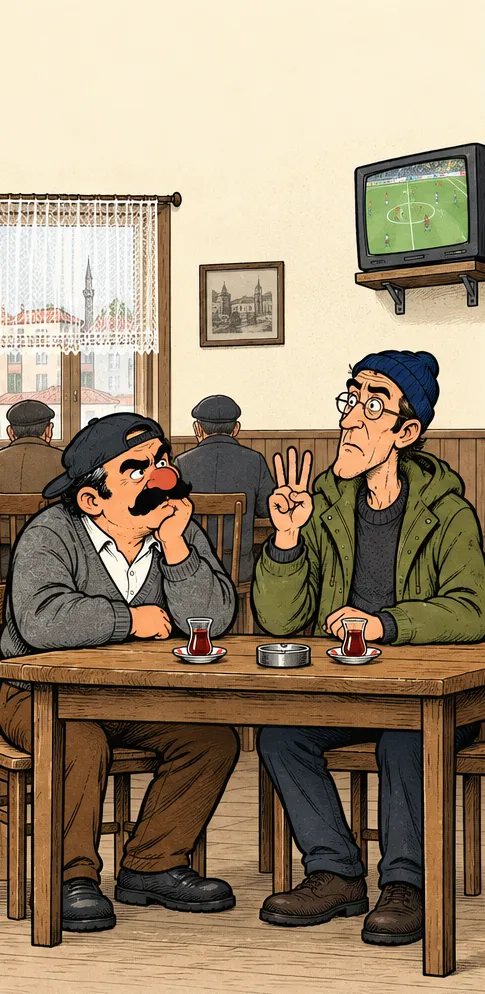
You turned it backwards last week too. We lost three-nil.
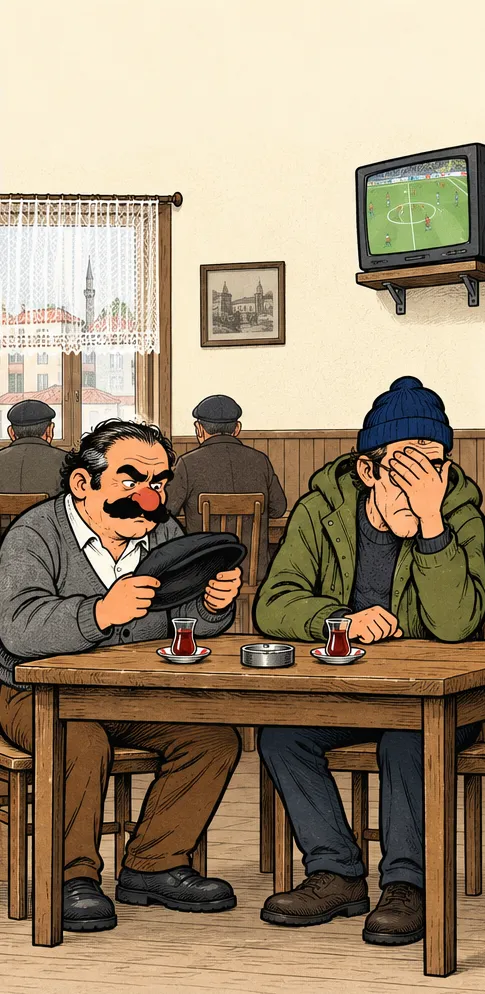
That day it wasn’t backwards enough.
What is it?
Treating two things that happened one after another, or together, as cause and effect. It could be coincidence, they could share a hidden cause, or the arrow could point the other way.
The pattern
- A happened, then B happened. (Or: A and B happen together.)
- Therefore A caused B.
Why it fails
The brain loves a cause; it fills every gap. But “after” is not “because of”. The goal scored with the lucky cap would have been scored without it; you just remember that day, not the days you lost wearing it. Real cause and effect needs a comparison: with and without, over many matches, counted.
How to spot it
- The pattern “the moment X happened, Y happened”.
- No comparison: nobody counted how often Y happens without X.
- The chosen cause is something pleasant to remember or easy to blame.
What to say
“And how many times did B happen without A?” If there’s no number, there’s no cause; there’s a story. Then ask about the third thing: “Could something else be causing both?”
When it’s not a fallacy
Sequence is the first clue to causation; that’s where you start looking. Then you compare, rule out other explanations, and check how often. Once that’s done, saying “A causes B” isn’t a fallacy, it’s science. Saying it before is the fallacy.
Examples
- Health“Got the jab, caught a cold the next day; the jab did it.” Nobody counts the unvaccinated who caught colds that day.
- Work“New manager came in, sales went up.” So did the holiday season.
- Tech“I updated my phone and the battery started dying.” Winter arrived too; the battery starts dying the same week every year.
- Football“I skipped that match and we won. I’m never going again.”