No. 05 Distraction Fallacies
False Dilemma
In Turkish: Ya Siyah Ya Beyaz Safsatası
You gave me two options and hid the third. I’ll take the third.
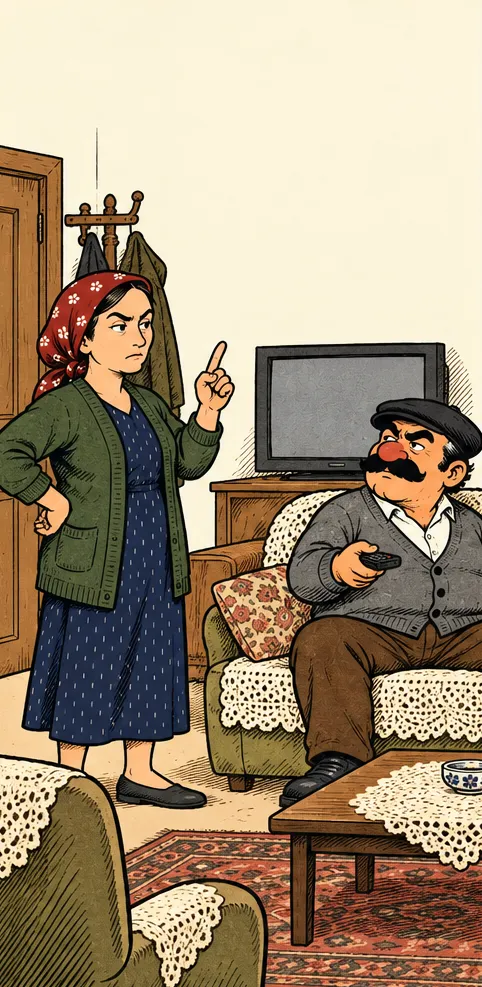
Either we go to my mother’s this Sunday, or they never let us in the house again.
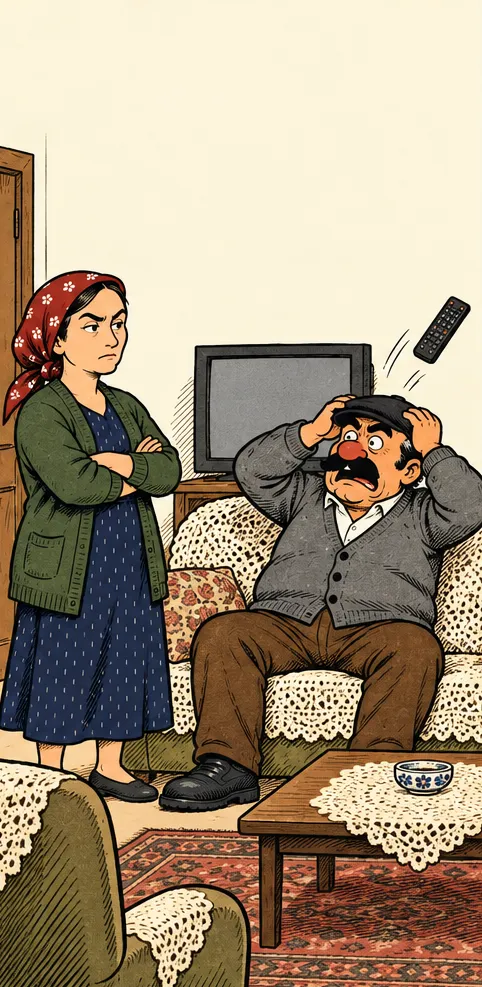
The match is on Sunday! We’re finished, your mother will cut us out of the will!
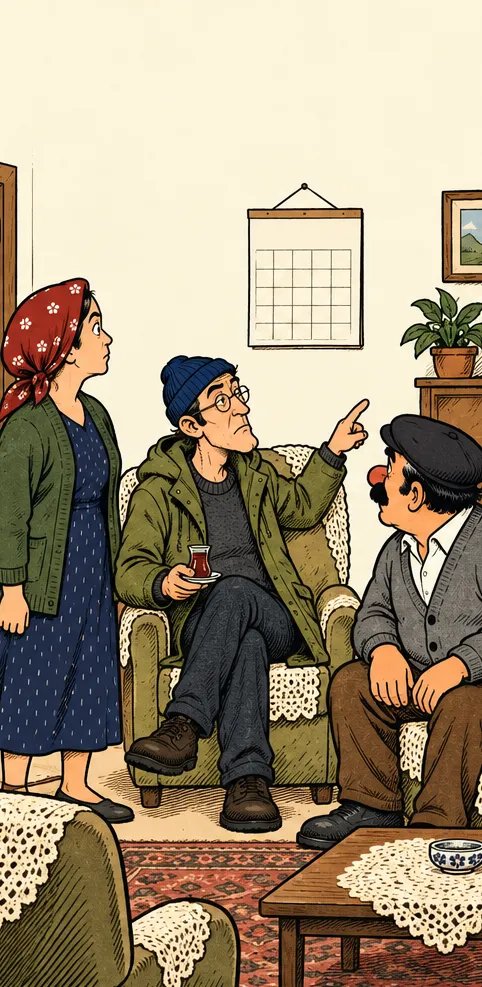
There’s a day called Saturday, you know.
What is it?
Talking as if the world offered exactly two options: this or that. There are usually others, in between, off to the side, round the back; they just weren’t put on the table.
The pattern
- Either A or B.
- Not B. (Or: B is terrible.)
- Therefore A.
Why it fails
The shape itself is sound: if there are two options and one is out, the other stands. The trouble is the first line; there aren’t really two. The fallacy starts with a short menu, and once the elimination step is done properly nobody questions the menu. Add fear (“or else disaster”) and it works even better.
How to spot it
- A sentence built on “either… or…”, with the second option made especially grim.
- If a third option comes to mind, you’ve caught it.
- One option has been carefully uglified so the other looks like the only sane road.
What to say
“Is there no other option?” There usually is, and one question brings it out. If it doesn’t, supply it yourself: “We could also do this. Why aren’t we discussing that?”
When it’s not a fallacy
Some dilemmas are real: the switch is on or off, you pass the exam or you don’t. When there genuinely are two options, “this or that” isn’t a fallacy; it’s an accurate count. The fallacy is pretending the other roads don’t exist.
Examples
- Family“Either you study this subject or you wait tables for the rest of your life.”
- Work“Either we work the weekend or the project dies.” A different plan? Never discussed.
- Ads“Buy our insurance or put your family at risk.” Other insurers exist.
- Football“Either you love this club or you know nothing about football.”